Table of Contents
- Introduction
1.1 The Growing Interest in Natural Pet Health
1.2 Importance of Holistic Care for Pets - Key Takeaways
2.1 Benefits of Holistic Pet Care
2.2 The Role of Owners in Pet Wellness - Understanding Natural Pet Health & Wellness Foundations
3.1 What is Holistic Pet Care?
3.2 The Mind-Body Connection in Animals - Essential Nutrition Guidelines for Optimal Pet Health
4.1 Nutritional Requirements for Dogs
4.2 Nutritional Requirements for Cats
4.3 Importance of Fresh Foods and Natural Supplements - Natural Remedies and Alternative Medicine for Pets
5.1 Herbal Supplements and Their Benefits
5.2 Homeopathic Treatment Options
5.3 Integrating Traditional Medicine - Physical Activity and Exercise Routines for Pets
6.1 Benefits of Regular Exercise
6.2 Suggested Activities for Dogs and Cats
6.3 Tailoring Exercises to Your Pet’s Needs - Stress Management and Mental Wellness in Animals
7.1 Recognizing Signs of Pet Anxiety
7.2 Techniques for Reducing Pet Stress
7.3 Creating a Calm and Supportive Environment - Preventive Care Strategies for Long-Term Wellness
8.1 Importance of Regular Veterinary Visits
8.2 Natural Flea and Tick Prevention Methods
8.3 Maintaining Oral and Grooming Health - Building a Holistic Pet Healthcare Routine
9.1 Daily Wellness Practices
9.2 Seasonal Health Considerations
9.3 Monitoring and Adjusting Care - Holistic vs. Traditional Pet Care
10.1 Core Differences
10.2 Benefits of Adopting a Holistic Approach - Conclusion
11.1 Summary of Natural Wellness Strategies
11.2 The Symbiotic Benefits of Caring for Pets and Owners - FAQs
12.1 Components of Holistic Pet Care
12.2 Benefits of Alternative Medicine
12.3 Nutritional Advantages of Natural Diets
12.4 Stress Management for Pets
12.5 Preventive Care Essentials
Secrets to Boosting Pet Health and Wellness Naturally
Could a simple daily dose of fresh fruits and veggies be the secret to your pet’s long life? New studies show that caring for pets naturally can really boost their health. There are many natural ways to keep your furry friend full of energy.
It is our responsibility as pet owners to provide the finest care possible. But with so many choices and fake products, it’s hard to know what’s best. This guide will share natural ways to keep your pet happy and healthy for years to come.
Key Takeaways
- Holistic pet care focuses on whole-body health, incorporating nutrition, exercise, and stress management.
- Natural food choices, avoidance of synthetic chemicals, and alternative remedies can improve pets’ physical and mental well-being.
- The bond between pets and owners plays a crucial role in overall wellness, with studies showing pets can reduce stress and anxiety in humans.
- Preventive care strategies, such as yearly check-ups and blood panels, are essential for long-term wellness.
- Balanced nutrition, regular exercise, and stress-free environments are key to maintaining and prolonging a pet’s life.
Understanding Natural Pet Health & Wellness Foundations

Holistic pet care looks at a pet’s whole health. It covers their body, mind, and feelings. It’s different from traditional medicine, which just treats symptoms.
This approach tries to fix the real problems. It makes care fit each pet’s special needs.
Key Components of Holistic Pet Care
Holistic care focuses on natural things. It includes good food, exercise, and ways to reduce stress. A balanced diet is key for a pet’s health.
Additionally, it employs specialized therapies like herbal medicine and acupuncture.
The Mind-Body Connection in Animals
A pet’s mind and body are closely linked. Stress and anxiety can hurt their health. Holistic care helps with these problems.
It uses calming aids and training. It also makes sure pets live in a calm place.
Benefits of Natural Wellness Approaches
Holistic care boosts a pet’s immune system and digestion. It can even help them live longer. It focuses on preventing health problems.
This way, pets avoid bad side effects from regular treatments. It’s also cheaper in the long run. It keeps pets healthy and happy.
Holistic pet care takes into account all facets of the animal, including its mental, emotional, and physical well.It’s about optimizing overall wellness, not just treating specific symptoms.”
Essential Nutrition Guidelines for Optimal Pet Health
Good nutrition is key for your pet’s health. Choose high-quality, natural foods that meet their needs.
Dogs need whole meat as their main food. Avoid bad ingredients like synthetic preservatives and fillers. Raw, frozen, or dehydrated foods are better.
Cats need lots of animal proteins and amino acids like taurine. They also need high-protein, high-moisture diets for their kidneys and bladder.
- Add pet-safe fruits and veggies for extra health benefits.
- Use natural supplements from whole foods for extra nutrition.
- Make sure the water your pet drinks is constantly fresh and clean.
- Give treats that are less than 10% of their daily calories. Choose lean meats or veggies.
Regular vet visits are important. They help keep an eye on your pet’s health and weight. Follow these guidelines to help your pet stay healthy and happy.
| Nutrient | Importance for Dogs | Importance for Cats |
| Protein | Helps muscles grow and stay strong, and boosts the immune system. | Key for fixing tissues, making enzymes, and staying healthy. |
| Fats | Gives energy, keeps skin and coat healthy, and helps with vitamin absorption. | vital for vitamin absorption, vitality, and the health of the skin and coat. |
| Carbohydrates | Good for energy, but should be limited to avoid obesity and health problems. | Cats can’t process carbs well, so their diets should be low in carbs. |
| Minerals and Vitamins | essential for healthy bones, the immune system, and general well-being. | Needed for many body functions, like making red blood cells, nerve function, and immune health. |
The foundation of your pet’s health and longevity is a diet that is well-balanced. By giving natural, premium ingredients priority, you’re making an investment in their long-term health.
Natural Remedies and Alternative Medicine for Pets
Pet owners are searching for natural solutions to support their animals. They want to live a holistic life and manage chronic diseases. They use natural remedies and alternative medicine to do this.
Herbal Supplements and Their Benefits
Herbal supplements are helping pets with health issues. Milk thistle and chamomile are popular for boosting the immune system and helping joints and digestion. More pet owners are using these natural remedies.
Homeopathic Treatment Options
Homeopathic treatments are gentle but powerful. They help with both short-term and long-term health problems in pets. Many pet owners have seen their pets get better with these treatments.
Traditional Medicine Integration
Traditional Chinese medicine is being used more in vet care. Acupuncture is helping with muscle, skeletal, and nerve issues. It also helps with skin and breathing problems. This mix of old and new medicine helps pets feel better.
The need for natural pet care is growing fast. More pet owners want holistic solutions. It’s important to talk to a holistic vet before starting any new treatment. They can help choose the best natural remedies for pets.
When using natural medicines for their pets, 75% of pet owners say that their pets’ general health has improved.
Physical Activity and Exercise Routines for Pets
Keeping our pets healthy and active is very important. Exercise helps them stay fit and happy.Additionally, it lessens their anxiety and tension.
Dogs need daily walks to stay fit. But, watch out for too hot or humid weather. Look for signs like panting too much or not wanting to move.
- Jogging is good for active dogs, but not for puppies or dogs with joint problems.
- Hiking is great for dogs and their owners. It’s good for those who can keep up.
- Swimming is perfect for dogs who love water. It’s easy on their joints.
To keep active, cats require toys and climbing surfaces. You can play frisbee or dance with them. Dog yoga is also fun for some pets.
| Exercise Activity | Benefits | Recommended for |
| Walking/Jogging | Cardiovascular health, weight management | Active dogs with high exercise needs |
| Hiking | Cardio, mood-boosting, stamina building | Dogs with high stamina |
| Swimming | Low-impact, whole-body workout | Water-loving dogs, seniors, arthritis |
| Doga (Dog Yoga) | Relaxation, bonding, stress reduction | Calm dogs and their owners |
| Circuit Training | Body conditioning, mental stimulation | Energetic, intelligent dogs |
| Agility | Mental and physical stimulation | Highly active, working breeds |
| Frisbee | Cardio, social play, competition | Athletic, energetic dogs |
| Dancing | Coordination, bonding, trick learning | Dogs that love learning new skills |
Find the right exercise for your pet based on their age and health. It keeps them physically and mentally fit. This helps prevent bad behavior and keeps them well.
Stress Management and Mental Wellness in Animals
Pets can feel stress and anxiety too. Many animals face mental health issues that affect their happiness. By knowing the signs of pet anxiety and using natural ways to calm them, we can make their lives better.
Recognizing Signs of Pet Anxiety
Pets show different signs when they’re stressed or anxious. They might bark or meow too much, chew or scratch things, or change how they eat or sleep. Watching for these signs helps us find and fix what’s making them upset.
Natural Calming Techniques
- Pheromone diffusers or sprays can help pets relax by giving them calming smells.
- Playing soft, calming music can make animals feel more relaxed.
- Touching them gently, like petting or massaging, can also help reduce stress.
Creating a Stress-Free Environment
It’s important to give pets a safe and comfy place to live. This means having quiet spots, regular routines, and avoiding loud or crowded places. Also, playing with them, training, and giving them fun activities helps keep them happy and healthy.
By taking care of our pets’ mental health, we make their lives better. Using mindfulness and stress management in our pet care can greatly improve their mental health, mindfulness, and stress management.
Preventive Care Strategies for Long-term Wellness
Keeping your pet healthy for a long time needs a proactive plan.For elderly pets, routine veterinary examinations and blood tests are essential. They help find problems early. It’s also important to think about when to give vaccines to keep your pet’s immune system strong.
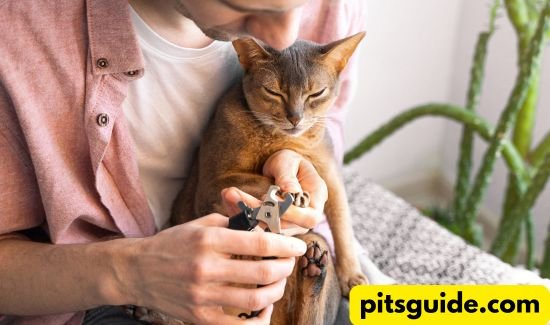
Natural ways to stop fleas and ticks are good choices. Diatomaceous earth and herbal repellents work well. Brushing your pet’s teeth and using natural dental chews prevent mouth problems. Grooming with gentle, natural products keeps your pet’s skin and fur healthy and safe from bad chemicals.
- Plan routine veterinarian examinations to identify health problems early.
- Carefully manage your pet’s vaccination schedule to avoid over-vaccination
- Opt for natural flea and tick prevention methods, such as diatomaceous earth and herbal repellents
- Implement a dental care routine using natural products to maintain oral health
- Regularly groom your pet with natural, gentle grooming products.
Adding these preventive care steps to your pet’s life helps them stay well. This way, you can avoid more serious health problems later. A bit of care now can make your pet happy and healthy for many years.
An ounce of prevention is worth a pound of cure. Franklin, Benjamin
Building a Holistic Pet Healthcare Routine
Creating a good pet healthcare routine is key for your pet’s health. It includes daily care, seasonal tips, and checking progress. This maintains the health and happiness of your pet.
Daily Wellness Practices
Begin your pet’s day with the right food. About 86% of pet owners say the right food is vital for health. Also, make sure they get enough exercise to stay fit and avoid obesity.
Don’t forget about their mind. 72% of owners see better behavior and thinking in pets that play and learn. Spend time each day playing, training, or solving puzzles with your pet.
Seasonal Health Considerations
As seasons change, so do your pet’s needs. Adjust their playtime to fit the weather. Also, use natural ways to fight allergies. Pets with more sunlight and fresh air are less stressed, showing the value of good air and light.
Monitoring Progress and Adjusting Care
Keep an eye on your pet’s health by checking their weight and energy. Work with a holistic vet to adjust their care as needed. Tailored care can make a big difference in managing health issues.
By following these steps, you can help your pet stay healthy for a long time. This can also make your bond stronger. A holistic care approach can really change your pet’s life for the better.
| Holistic Pet Care | Traditional Pet Care |
| Focuses on the whole animal, addressing physical, mental, and emotional well-being | Primarily focused on treating specific medical conditions or symptoms |
| Utilizes a combination of natural therapies, diet, and lifestyle changes | Relies heavily on pharmaceutical drugs and medical interventions |
| Emphasizes preventive care and early intervention to maintain long-term health | Often reactionary, addressing issues only after they have manifested |
| Fosters a strong bond between pet and owner through personalized care | Can be more impersonal, with a focus on treating the condition rather than the whole animal |
Our pets’ quality of life is enhanced in many ways when we adopt a holistic lifestyle for them, and we’ve noticed notable gains in their general wellbeing.
– Pet Owner Survey Respondent
Conclusion
Boosting pet health naturally means using a holistic approach. This includes good nutrition, natural remedies, exercise, and preventive care. By focusing on all these areas, pet owners can make their pets’ lives better and longer.
Research shows that pets can make us healthier. They help lower stress and blood pressure. They also make us feel happier. Taking care of pets holistically is good for both them and us.
The pet health market is getting bigger. It’s expected to be worth $XX billion by 2025. More people want natural and organic pet care. This shows a move towards caring for pets in a more natural way.
FAQ
What are the key components of holistic pet care?
Holistic pet care includes natural food, exercise, and ways to reduce stress. It also includes alternative therapies. This approach helps pets feel good physically, mentally, and emotionally.
How can natural remedies and alternative medicine benefit pets?
Natural remedies like herbs and homeopathy can help pets. They often have fewer side effects. Over time, they can also save money.
What are the benefits of a balanced, natural diet for pets?
Pets thrive on a natural diet that includes genuine meat.It keeps them healthy. It’s important to avoid bad ingredients.
How can regular exercise and physical activity benefit pets?
Exercise keeps pets healthy and happy. It helps with weight and stress. The right exercise depends on the pet’s age and health.
How can pet owners help manage stress and anxiety in their animals?
Use calming music and pheromone diffusers to help pets relax. Physical touch like petting is also good. A calm home and regular play are key for mental health.
What are some key preventive care strategies for long-term pet wellness?
Regular vet visits and careful vaccinations are important. Use natural ways to prevent fleas and ticks. Good dental care is also key. These steps help pets stay healthy.
How can pet owners build a comprehensive holistic healthcare routine?
A good routine includes natural food, exercise, and mental play. Don’t forget about seasonal care and watching how your pet does. Work with a holistic vet to keep your pet well.