
Table of Contents
- Introduction
- Why Proper Pit Bull Care is Crucial
- The Goal of This Guide
- Understanding Your Pit Bull: Basics and Behavioral Overview
- Common Pit Bull Breed Characteristics
- Addressing Misconceptions About Pit Bull Behavior
- Best Practices for Pit Bull Care: Health and Wellbeing
- Essential Pit Bull Nutrition Guidelines
- Routine Veterinary Check-Ups and Common Health Issues
- Pit Bull Care: Training and Socialization Techniques
- Effective Training Tips for Pit Bulls
- Early Socialization is Crucial for Pit Bull Puppies
- Maintaining Your Pit Bull’s Physical and Mental Health
- Recommended Exercise Routines for Pit Bulls
- Mental Stimulation: Toys and Activities for Enrichment
- Conclusion
- The Importance of Proper Care and Love
- Busting Myths and Changing Perceptions
- FAQ
- Essential Nutritional Needs for Pit Bulls
- Frequency of Veterinary Visits
- Best Training Techniques
- Importance of Socialization
- Recommended Exercise Routines
- How to Provide Mental Stimulation
- Common Health Issues in Pit Bulls
- Grooming Practices for Pit Bulls
Pit Bull Care Problem Solving for Happy Dogs
Ever wonder why some pit bulls do great while others have a tough time? It’s often because of how their owners care for them. Taking good care of a pit bull is key to their happiness and health. This article will cover important topics like behavior, diet, health, and training.
You’ll learn how to make your pit bull happy and overcome breed myths. It’s all about creating a loving space for your dog to thrive.
Key Takeaways
- Understanding pit bull behavior is key for training and socializing them.
- Regular vet visits are important to keep your pit bull healthy, even as they get older.
- Good food is vital for your pit bull’s health and long life.
- Regular exercise helps prevent stress and bad behavior in pit bulls.
- Start training and socializing early to avoid aggression in pit bulls.
- Knowing about common health issues helps keep your pit bull happy and healthy.
Understanding Your Pit Bull: Basics and Behavioral Overview
Pit bulls are known for their unique traits and fun behavior. Knowing these traits helps owners connect better with their dogs. They are playful, social, and need to clear up wrong ideas about them.
Common Pit Bull Breed Characteristics
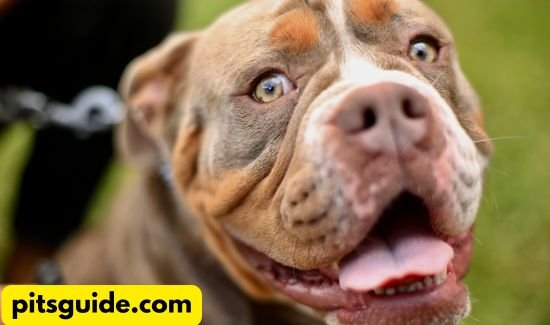
Male Pit Bull Terriers weigh 35–70 pounds and are 18–21 inches tall. Females weigh 30–60 pounds and are 17–20 inches tall. Their strong build and loyalty make them great friends. They need 45 minutes to an hour of play each day to stay happy and healthy.
- Affectionate and loyal
- Highly trainable with proper training
- Intelligent and needs mental games
- Playful and loves family
- Can get sad when left alone without friends
Addressing Misconceptions About Pit Bull Behavior
It’s important to correct wrong ideas about pit bulls. Many think they are mean, but this is not true. Studies show they are as friendly as Golden Retrievers. Their bad behavior usually comes from bad training or not being social enough.
https://youtube.com/watch?v=86xUjiHxKJM
Knowing the truth helps pit bull owners face less criticism. Socializing them helps them be well-adjusted. Training them well and giving them a loving home makes them happy and healthy. By following good tips, owners can build strong bonds with their pets.
| Characteristic | Details |
| Weight | Male: 35–70 pounds, Female: 30–60 pounds |
| Height | Male: 18–21 inches, Female: 17–20 inches |
| Exercise Requirement | Minimum of 45 minutes to 1 hour daily |
| Health Issues | Allergies, Hip dysplasia, Cataracts |
| Training | Requires consistency; thrives with established routines |
| Common Misconceptions | Not inherently aggressive; behavior largely influenced by training and socialization |
Best Practices for Pit Bull Care: Health and Wellbeing
Caring for a pit bull means paying attention to their health and food needs. Knowing what to feed them and when to see the vet is key. These steps help keep your pit bull healthy and happy for a long time.
Essential Pit Bull Nutrition Guidelines
Good food is very important for your pit bull’s health. Look at a pit bull nutrition guide to choose the right food. Food with 25-30% protein helps their muscles grow, which is good for puppies.
Adding fatty acids and antioxidants to their food helps their joints and immune system. This keeps them strong and healthy.
- Protein Sources: Chicken, beef, fish, or high-quality kibble
- Carbohydrates: Brown rice, barley, or sweet potatoes
- Fats: Omega-3 and Omega-6 fatty acids from fish oil
It’s critical to monitor their dietary intake. Too much can make them fat. Following diet advice helps them stay active and healthy.
Routine Veterinary Check-Ups and Common Health Issues
Going to the vet regularly is very important. It helps catch health problems early. Pit bulls can get sick with things like:
| Common Health Issues | Symptoms | Preventive Measures |
| Canine Dermatitis | Itching, redness, and hot spots | Regular grooming and diet control |
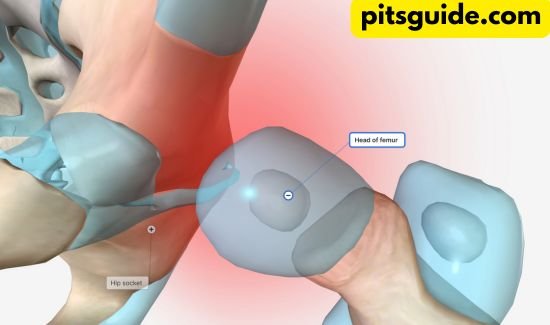
| Hip Dysplasia | Limping, pain during exercise | Maintaining a healthy weight |
| Congenital Heart Defects | Exercise intolerance, coughing | Screening and regular check-ups |
| Heat Sensitivity | Excessive panting, lethargy | Avoiding strenuous exercise during heat |
By knowing about health issues and watching for signs, you can help your pit bull stay healthy. Regular vet visits are the best way to keep them well.
Pit Bull Care: Training and Socialization Techniques
Training and socialization are key for a well-behaved pit bull. Using good training methods helps these dogs become great friends. This part talks about important training tips and why early socialization is vital for pit bull puppies.
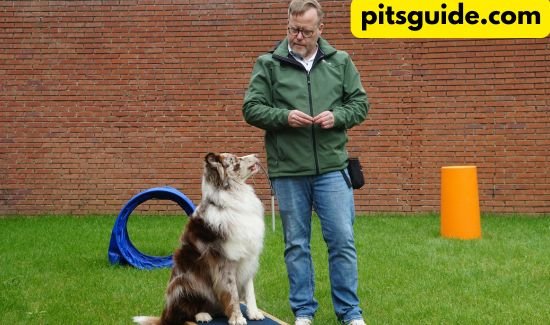
Effective Training Tips for Pit Bulls
A good pit bull training guide uses positive methods. These are great because pit bulls are smart and love to please. The following advice can help you train pit bulls:
- Start training early, ideally at eight weeks, focusing on basic commands.
- Incorporate engaging activities, like play, to make learning enjoyable.
- Utilize tools like clickers to reinforce desired behaviors.
- Maintain consistency in commands and rewards to foster understanding.
- Consider enrolling in specialized training classes for specific behavioral issues.
Studies show dogs in obedience classes get better at socializing by 60% in three months. This shows how important clear rules and routines are. They help reduce anxiety and make dogs more adaptable.
Early Socialization Is Crucial for Pitbull Puppies
Socialization is very important for pit bull puppies. Early exposure to different places and people greatly shapes their growth. Here are some key socialization strategies for pit bull puppies:
- Introduce puppies to different people, pets, and environments from a young age.
- Engage in supervised playdates to ensure safe interactions.
- Participate in puppy training classes to reinforce positive experiences.
- Prioritize controlled introductions to other dogs to promote healthy relationships.
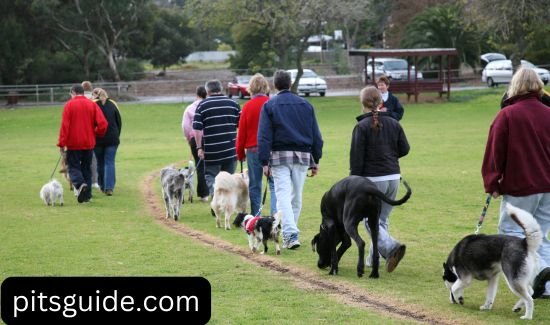
Research finds that dogs exposed to many places early on can be less anxious by 40%. Joining the Canine Good Citizen Program by the AKC can also help prove your pit bull’s good behavior. This can improve how people see them.
Maintaining Your Pit Bull’s Physical and Mental Health
Keeping your Pit Bull healthy means regular exercise and fun brain games. These dogs love to stay active and need lots of play. They need at least 60 minutes of fun each day to stay happy and healthy.
Recommended Exercise Routines for Pit Bulls
It’s good to mix up your Pit Bull’s workouts. This keeps them fit and sharp. Good activities include:
- Daily walks and leash running
- Agility training
- Swimming sessions
- Hiking adventures
- Playtime in a secure area
These activities help prevent obesity and health problems. They also use up their energy in a good way. Being consistent helps avoid bad behaviors from too much energy or boredom.
Mental Stimulation: Toys and Activities for Enrichment
It’s also key to keep your Pit Bull’s mind active. You can use many toys and games to do this. Some ideas are:
- Puzzle toys
- Interactive treat-dispensing toys
- Scent games that encourage exploration
- Training sessions that include basic obedience or tricks
These games help reduce anxiety and improve problem-solving. Dogs that get to try new things are happier and healthier. By focusing on both physical and mental health, you make your Pit Bull’s life better.
| Activity Type | Description | Benefits |
| Walking | Leisurely strolls around the neighborhood. | Improves cardiovascular health while providing mental stimulation through new sights and smells. |
| Agility Training | Obstacle courses designed for dogs. | Enhances coordination, strength, and problem-solving skills. |
| Swimming | Water-based activities that allow dogs to exercise in a low-impact environment. | Great for joints, particularly for older Pit Bulls. |
| Playing Fetch | Active playtime using a ball or frisbee. | Encourages running and quick sprints, promoting physical fitness. |
| Puzzle Toys | Interactive toys that require dogs to solve problems for treats. | Stimulates their brains, keeping them engaged and happy. |
Conclusion
Knowing how to care for pit bulls is very important. It helps them live happy lives. Owners need to give them the right care and training.
Pit bulls can get sick, like hip dysplasia and heart disease. Taking them to the vet often is key. Also, getting pet insurance helps with big vet bills.
Training and socializing pit bulls early is also important. It helps them fit well into families. This way, they can be good friends to everyone.
There are many wrong ideas about pit bulls. But, learning the truth about them is important. By caring for them well, we show them love and respect.
Being a good owner means a better life for pit bulls. It also helps people see them in a new light. This is good for everyone.
FAQ
What are the essential nutritional needs for a pit bull?
Pit bulls need a diet full of protein and less fat. This helps their muscles. Adding good fats, antioxidants, and a balanced diet early on is key to avoiding health problems later.
How frequently should I visit the veterinarian with my pit bull?
Taking your pit bull to the vet often is very important. It helps catch and prevent health issues. Make sure to go at least once a year to keep your dog healthy.
What training techniques are best for pit bulls?
Positive reinforcement works best for training pit bulls. Start training early, around eight weeks. Teach basic commands first, then move on to harder tasks. This builds trust and good behavior.
Why is socialization important for my pit bull?
Socializing early stops bad behaviors like anxiety and aggression. Introduce your dog to different places, people, and dogs in a good way. This helps them learn social skills.
What exercise routines are recommended for pit bulls?
Pit bulls need lots of energy, so they need at least an hour of play each day. This can be walking, running, swimming, or just playing. Agility training is also great for burning off energy and keeping their mind sharp.
How can I provide my pit bull mental stimulation?
Use toys like puzzle feeders, chew toys, and scent games to keep your dog’s mind busy. “Brain games” and different training sessions also help their problem-solving skills and happiness.
What are common health issues in pit bulls?
Pit bulls often get skin infections, hip dysplasia, and thyroid problems. Know about these health issues and watch your dog closely. This way, you can catch and treat problems early.
How should I groom my pit bull?
Grooming for pit bulls means regular brushing to cut down on shedding. Also, give them baths and trim their nails now and then. Grooming keeps their skin healthy and strengthens your bond with them.