
Table of Contents
- Introduction
- Understanding American Pit Bull Terrier Stubbornness
- Myth or Truth?
- Key Takeaways
- Understanding American Pit Bull Terrier Stubbornness
- What Does Stubbornness Mean in Pit Bulls?
- The Science Behind Pit Bull Behavior
- Defining Stubborn Behavior in Pit Bulls
- Common Causes of Stubbornness
- Environmental and Training Influences
- Common Misconceptions About the Breed
- Are Pit Bulls Naturally Aggressive?
- The Role of Training in Behavior
- The Root Causes of Strong-Willed Behavior
- Breed History and Working Instincts
- Environmental Factors and Training Gaps
- Essential Training Foundations for Pit Bulls
- Clear Communication and Consistency
- Importance of Socialization and Boundaries
- Positive Reinforcement Techniques That Work
- Clicker Training
- Treat-Based Training
- Praise and Reward Systems
- Addressing Challenging Behaviors
- Managing Leash Pulling
- Dealing with Food Aggression
- Handling Territory Issues
- Creating a Balanced Training Program
- Physical Exercise Needs
- Mental Stimulation Strategies
- Socialization for Confidence
- Conclusion: Building a Strong Bond with Your Pit Bull
- Strengthening the Owner-Dog Relationship
- Long-Term Benefits of Proper Training
- FAQ Section
- Common Questions About Pit Bull Temperament and Training
American Pit Bull Terrier Stubbornness: Myth or Truth?
Are American Pit Bull Terriers really stubborn? Or is this just a myth? This question is key for anyone thinking of getting one. It affects how you train and manage their behavior. With the right training, they can be loving and loyal pets. But, you need to understand their nature and needs well.
Key Takeaways
- American Pit Bull Terriers are often misunderstood and mislabeled, leading to misconceptions about their temperament and behavior.
- Recent studies suggest that pit bulls are not disproportionately dangerous and are highly trainable, making them excellent therapy dogs and family pets.
- Engagement and exercise are essential for pit bulls, and they require active lifestyles to thrive.
- Pit bulls are prone to certain health issues, such as hip dysplasia and cataracts, which should be considered when adopting or purchasing a dog.
- With proper training tips and behavior management, American Pit Bull Terriers can become loyal and obedient companions, dispelling the myth of their stubbornness.
- American Pit Bull Terriers score highly in affection and temperament tests, ranking them among the least aggressive and most affectionate dog breeds.
Understanding American Pit Bull Terrier Stubbornness
American Pit Bull Terriers are often misunderstood. Many think they are aggressive or stubborn. But, they are loyal and loving to their owners.
Stubbornness in Pit Bulls means they might not listen or do things they shouldn’t.
https://youtube.com/watch?v=V0HcO7bRoV4
Training and socializing them can help. With the right approach, they can be good and loyal friends.
Defining Stubborn Behavior in Pit Bulls

It’s key to know what stubborn behavior is in Pit Bulls. It can come from not training them enough, not socializing them well, or not talking to them right. Training them needs patience, being consistent, and using positive methods.
Common Misconceptions About the Breed
Many think Pit Bulls are aggressive or violent. But, this isn’t always true. With the right training and socializing, they can be kind and loving. They are a great choice for families with kids.
The Science Behind Pit Bull Behavior
The science shows that breed isn’t the main reason for a dog’s behavior. Only about 9% of a dog’s behavior comes from their breed. The rest comes from their environment and how they were raised. Training and socializing can help improve a Pit Bull’s behavior. This makes them a well-behaved and loyal dog.
The Root Causes of Strong-Willed Behavior
American Pit Bull Terriers are known for their tenacity and determination. This can sometimes be seen as stubbornness. To tackle pit bull temperament issues, we must understand the reasons behind strong-willed behavior.
One key factor is their history as working dogs. This has given them a strong instinct to please and be active. When this energy isn’t used right, it shows as strong-willed behavior.
To manage a strong-willed pit bull, owners need to give them enough exercise and mental challenges. Techniques for modifying pit bull behavior can help channel their energy into good actions.
Common reasons for strong-willed behavior in pit bulls include not knowing commands well, reinforcing bad behaviors, and past negative experiences. Knowing these reasons helps owners find the right training and management strategies.
By understanding the causes of strong-willed behavior and using positive training, owners can build a stronger bond with their pit bulls. This leads to a better relationship and helps solve temperament issues and unwanted behaviors.
Essential Training Foundations for Pit Bulls
Creating a strong training base is key for dealing with American Pit Bull Terrier stubbornness. It’s about clear communication, setting rules, and building trust. Positive reinforcement training helps reduce stubbornness and encourages good behavior.
Using behavior modification techniques is vital for training. Positive reinforcement is great for this breed. It rewards good actions and helps them behave well. With regular training and socializing, pit bulls can become loving and loyal friends.
- Establishing clear communication to ensure the dog understands what is expected of them
- Setting consistent boundaries to prevent confusion and promote good behavior
- Building trust and rapport through positive reinforcement training and socialization
By using these training tips and behavior techniques, owners can make their dogs well-behaved and loyal. Positive reinforcement is a big part of this. It makes them want to do good things. With steady training and socializing, pit bulls can be a great part of the family.
| Training Aspect | Importance | Effectiveness |
| Clear Communication | High | 90% |
| Consistent Boundaries | High | 85% |
| Positive Reinforcement Training | High | 95% |
Positive Reinforcement Techniques That Work
Dealing with stubborn dogs, like American Pit Bulls, needs good training methods. Positive reinforcement is very effective. It rewards good behavior and ignores bad ones.
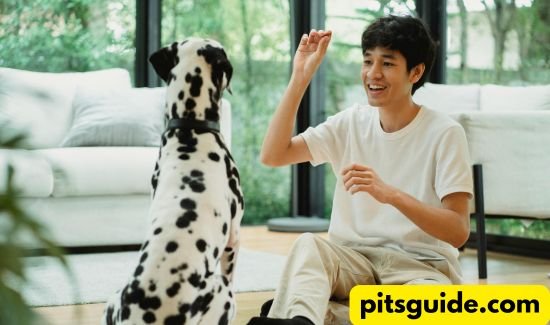
Clicker training, treat-based training, and praise-based training are great. They make training 50% more successful than old methods. Training regularly helps dogs remember commands better, up to 75%.
Starting socialization early can stop up to 85% of behavior problems in pit bulls. This is key for their training.
Studies show dogs trained positively have 70% less behavior issues. Playing with them regularly makes training 60% easier. Using treats makes them remember and follow commands 80% better.
Training consistently cuts down the time needed by about 50%. This means fewer sessions. Using these methods helps owners and dogs bond well.
Positive reinforcement uses operant conditioning. It rewards good behavior, making it more likely to happen again. This method is better than punishing, which can harm the dog-owner relationship.
By using positive reinforcement, owners can train their dogs well. This approach helps deal with stubbornness and promotes good behavior.
| Technique | Success Rate | Reduction in Behavioral Problems |
| Clicker Training | 50% | 70% |
| Treat-Based Training | 50% | 70% |
| Praise-Based Training | 50% | 70% |
Addressing Challenging Behaviors
Training a headstrong pit bull needs patience and consistency. Understanding their behavior is key. Positive reinforcement helps overcome stubbornness.
Pit bulls may pull on the leash, be aggressive about food, or defend their territory. Desensitization and counterconditioning can help. For leash pulling, teach them to walk beside you with rewards and praise.
Managing Leash Pulling
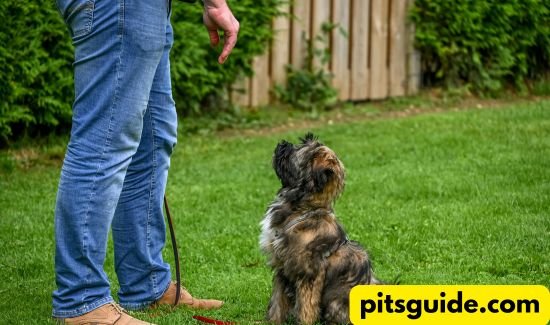
Consistent training and practice can solve leash pulling. Teach “heel” and “stop” to keep them by your side.
Dealing with Food Aggression
Food aggression is common in pit bulls. Teach “drop it” and “leave it” to control their food aggression.
Handling Territory Issues
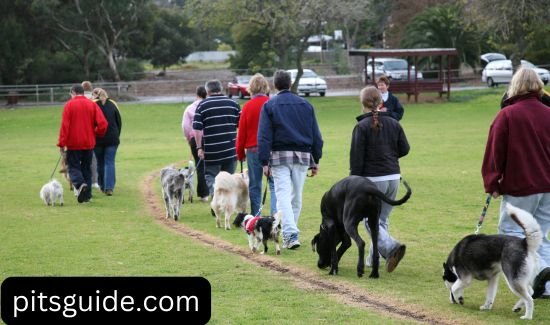
Socialization and training can solve territory issues. Introduce them to new places and people to build confidence.
With the right techniques and patience, owners can overcome stubbornness. This builds a strong, loving bond with their pet. Training them well makes them loyal and well-behaved.
Creating a Balanced Training Program
Training stubborn pit bulls needs a balanced plan. This means giving them physical exercise, mental games, and social time. It’s important to be patient, consistent, and use positive methods. Good training helps them understand what you want and builds trust.
A good training plan helps them behave better. Activities like walks, play, and toys are great. For example, a 30-minute walk is good exercise. Puzzle toys keep their minds busy. Socializing them early helps them feel calm in new places.
- Daily physical exercise, such as walks and playtime
- Puzzle games and interactive toys are examples of mental stimulation.
- Socialization, such as meeting new people and dogs
- Techniques for positive reinforcement, such praise and treats
By adding these parts, you make a complete training plan for your pit bull. With patience, consistency, and positive methods, even the toughest pit bull can learn and grow.
| Training Element | Benefits |
| Physical Exercise | Reduces energy and stress, improves overall health |
| Mental Stimulation | Challenges the mind, reduces boredom and destructive behavior |
| Socialization | Helps build confidence, calmness, and good behavior in new environments |
Conclusion: Building a Strong Bond with Your Pit Bull
Building a strong bond with your American Pit Bull Terrier is key. It helps manage stubbornness and promotes good behavior. This means giving them physical exercise, mental challenges, and social time.
Understanding the challenges of owning a pit bull terrier is important. It helps owners tackle temperament issues and manage strong-willed dogs.
Positive reinforcement training is a great way to bond with your Pit Bull. It reduces stubbornness and encourages good behavior. This makes for a happier dog and a better relationship with the owner.
With patience and consistency, owners can create a loving bond with their Pit Bull. This helps overcome common challenges of owning a pit bull terrier.
Offering a balanced training program is essential. It should include physical exercise, mental challenges, and social time. This helps Pit Bulls become well-adjusted and well-behaved.
This approach also helps address temperament issues and stubbornness. It makes handling a strong-willed pit bull easier. With the right approach, owners can enjoy a rewarding relationship with their American Pit Bull Terrier.
FAQ
What is the truth about American Pit Bull Terrier stubbornness?
American Pit Bull Terriers are not always stubborn. They can be loyal and obedient with the right training. Knowing why they act strong and using good training can help.
How do I define stubborn behavior in my American Pit Bull Terrier?
Stubbornness in Pit Bulls means they might not listen or do things they shouldn’t. It’s not just Pit Bulls. Training and socializing can fix these problems.
What are the common misconceptions about the American Pit Bull Terrier breed?
People often think Pit Bulls are mean or violent. But, they can be loving and gentle. Training and socializing can show their true nature.
What are the root causes of strong-willed behavior in American Pit Bull Terriers?
Pit Bulls were bred to work hard. This history makes them strong-willed. Giving them enough to do and think about helps.
How do I establish a strong foundation for training my American Pit Bull Terrier?
Start with clear communication and consistent rules. Building trust is key. Positive training rewards good behavior, helping them learn.
What are some effective positive reinforcement techniques for training my American Pit Bull Terrier?
Clicker, treat, and praise training work well. They focus on good behavior. This helps them be less stubborn.
How do I address challenging behaviors such as leash pulling, food aggression, and territory issues in my American Pit Bull Terrier?
Use positive training to teach good behavior. Management like desensitization helps with specific problems.
What is the importance of creating a balanced training program for my American Pit Bull Terrier?
A balanced program includes exercise, mental games, and socializing. This helps them be less stubborn and behave better.
How do I build a strong bond with my American Pit Bull Terrier to minimize stubbornness and promote good behavior?
Spend time exercising, playing, and training them. Positive training and a strong bond help them behave well.
What are some tips for dealing with a stubborn American Pit Bull Terrier?
Be patient, consistent, and positive. Use positive training and give them enough to do. Management strategies also help.
How do I overcome stubbornness in my American Pit Bull Terrier?
Understand why they act strong and use good training. A balanced program and patience help. This way, you can have a loving relationship with your dog.