
Table of Contents
- Introduction
- Understanding Your Pet’s Learning Potential
- The “Teach Not Train” Method
- Core Principles of the Method
- Boosting Pet Confidence and Self-Esteem
- The “No Mistake Zone” in Training
- Essential Training Tips for Success
- The Ideal Length and Frequency of Training Sessions
- Positive Reinforcement Techniques
- Teaching Commands Through Play and Rewards
- The Power of Play and Mental Stimulation
- Benefits of Interactive Games
- Using Toys for Training and Learning
- Engagement Techniques for Sustained Interest
- Addressing Common Behavioral Challenges
- Resource Guarding
- Excessive Barking
- Poor Leash Manners
- Destructive Chewing
- Separation Anxiety
- Aggression Towards Other Pets
- Solutions for Behavioral Challenges
- Obedience Training Strategies
- Behavioral Problem-Solving Tips
- Seeking Professional Help
- Recommended Training Resources
- Books: “Chaser” by Dr. John Pilley and “Animals Make Us Human” by Temple Grandin
- Choosing the Right Professional Trainer
- Certifications and Methods to Look For
- Conclusion
- Strengthening Bonds Through Training
- Lifelong Learning and Adapting Training Methods
- The Joy and Fulfillment of Understanding Your Pet
- FAQ
- Insights into Dr. John Pilley’s Work
- The “Teach Not Train” Approach Explained
- Understanding Individual Dog Traits for Effective Training
- Importance of Play in Pet Development
- Common Training Questions Answered
Decode Your Pet’s Behavior with Genius Training Tips
I’ve always loved animals and found their intelligence amazing. Dr. John Pilley and his dog Chaser are a great example. Chaser learned over a thousand words, which blew my mind.
Dr. Pilley’s work changed how we see dog brains. His “Teach Not Train” method is all about making pets feel good. It’s a new way to train pets.
This method is all about knowing your pet. It’s about understanding what makes them tick. When we train like this, our pets can really shine and we bond more.
Key Takeaways
- Chaser’s story shows how smart dogs can be.
- The “Teach Not Train” method builds confidence.
- Knowing your pet’s personality is key to training.
- Short, focused training sessions work best.
- Positive methods like clicker training work well.
Understanding Your Pet’s Learning Potential
Learning about your pet’s smarts is key to a strong bond and easy training. The science shows how pets learn and grow.
The Science Behind Pet Intelligence
Experts say the puppy years are best for training. Young pets learn fast. In just 30 days, you can help them reach their full potential with positive training.
Building Blocks of Learning
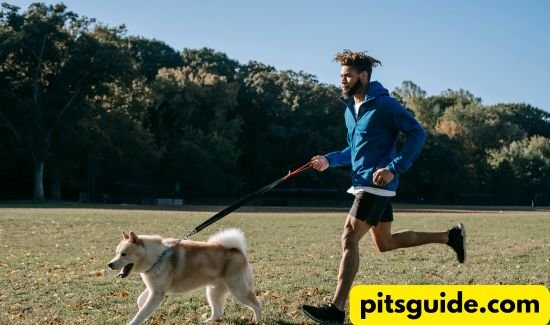
- Learning basic commands like “Sit,” “Stay,” and “Come” is the first step.
- Once they get the basics, you can teach them more. This builds their skills.
- Using treats, praise, and toys makes training fun. It helps pets and owners bond.
The Role of Observation in Training
Watching your pet closely helps you know how to train them best. By understanding their learning style, you can help them learn more.
“Given their great information-absorbing ability, the formative puppy years are emphasized as the ideal time to train a dog.”
Essential Training Tips for Success
Getting your pet to learn is more than just following steps. To really help your pet grow, you need to know the best ways to train.
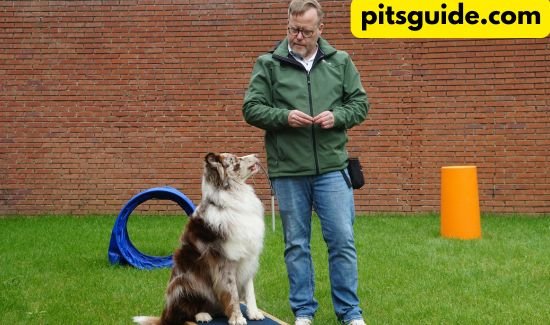
How often and how long you train matters a lot. Experts say to keep it short, 2-5 minutes, and do it many times a day. This way, your pet stays focused and learns without getting too stressed.
It’s also very important to use positive ways to teach. When your pet does something right, say “good dog!” or use a clicker right away. This makes them want to do it again and learn more.
- Implement short, frequent training sessions of 2-5 minutes several times a day
- Utilize positive reinforcement, such as verbal praise or a clicker, to reward desired behaviors
- Strategically hide your pet’s favorite toys to help teach new toy names and commands
For more tips, check out books like “Chaser, Unlocking the Genius of the Dog who knows 1000 words” by John Pilley and “Animals make us Human” by Temple Grandin. These books provide interesting information about how animals learn.They also give you tips to make your pet’s training techniques, performance optimization, and athletic development better.
“Knowing your pet’s preferred method of learning and modifying your instruction accordingly are essential to successful training. With the right techniques and a positive mindset, you can unlock your pet’s full potential.”
The Power of Play and Mental Stimulation
Play is key for pets’ happiness. It gives them physical and mental fun. Games that test their smarts stop boredom and bad habits. Toys and fun ways to play help pets learn and bond with you.
Interactive Training Games
Games like fetch and hide-and-seek are fun for pets. They make pets think and learn new tricks. Playing together makes learning fun and keeps pets excited.
Using Toys for Learning
Toys make learning fun and easy. They help pets connect actions with objects. Using different toys keeps things interesting and fun.
Engagement Techniques
Keeping pets focused is important. Treats and praise keep them happy and eager to learn. Interactive play keeps them interested and motivated.
Play and mental fun unlock pets’ potential. It improves your relationship and adds richness and fulfillment to your lives together.
Common Behavioral Challenges and Solutions
We frequently deal with a variety of behavioral issues as pet owners. These can test our patience and disrupt our homes. Issues like resource guarding, excessive barking, and aggression towards other pets are common. But, with the right approach and obedience training, many of these problems can be solved.
Resource guarding is when pets become possessive over food, toys, or space. This can lead to aggression when these resources are threatened. Obedience training and positive reinforcement can help pets learn to share and feel secure.
Anxiety, boredom, or a need for attention can all contribute to excessive barking. Obedience training, mental stimulation, and structured playtime can help. This teaches pets to communicate their needs in a better way.
Leash manners and destructive chewing are also common problems. Training pets to walk calmly on a leash and providing chew toys can help. This prevents unwanted behaviors and protects homes from damage.
- Resource guarding
- Excessive barking
- Poor leash manners
- Destructive chewing
- Aggression towards other pets
- Separation anxiety
- Ignoring commands outside the home
Consult a qualified dog trainer or behaviorist for complex issues including separation anxiety or hostility toward other pets. They can create tailored solutions and strengthen the bond between pet and owner.
| Behavioral Challenge | Possible Solutions |
| Resource Guarding | Obedience training, positive reinforcement, gradual exposure |
| Excessive Barking | Mental stimulation, structured playtime, obedience training |
| Destructive Chewing | Providing appropriate chew toys, obedience training |
| Separation Anxiety | Gradual desensitization, calming supplements, professional support |
By tackling common behavioral challenges through obedience training and problem-solving, we can create a harmonious relationship with our pets. With patience, consistency, and the right approach, many issues can be solved.A happier and better-behaved pet results from this.
Conclusion
Training pets is good for them and makes our bond stronger. We can learn how pets think and use the best training methods. This way, we can help our pets reach their full potential.
Playing games and changing training methods often is key. It helps us manage our pets’ behavior for a long time.
Choosing the right trainer is very important. Look for someone with CAAB, AVSAB, Ph.D., APDT, or CPDT-KA certifications. They know how to train pets in a way that’s good for them and makes our relationship better.
It’s also important to keep learning and changing how we train. This helps us deal with any new challenges that come up.
By following these tips, we can start a fun training journey with our pets. This journey will make our bond stronger and keep our pets happy and healthy.
FAQ
What is the significance of Dr. John Pilley’s work with the Border Collie Chaser?
Dr. John Pilley’s work with the Border Collie Chaser changed dog cognition research. Chaser learned over 1,000 words. This shows how smart pets can be.
What is the “Teach Not Train” approach emphasized by the Pilley family?
The “Teach Not Train” method focuses on boosting self-esteem. It avoids saying “no” and makes learning fun for pets.
Why is observation of individual dog personalities and motivations crucial for effective training?
Knowing each dog’s unique traits is key for good training. It helps tailor learning steps to fit each pet’s needs.
How can a “No Mistake Zone” help in pet training?
A “No Mistake Zone” during training boosts confidence. It makes learning fun for pets by not punishing mistakes.
What is the importance of play in pet learning and development?
Play is vital for learning. It brings joy and strengthens the bond between pets and owners. This helps pets learn new skills.
What are some recommended training techniques and resources for pet owners?
Good training uses short, frequent sessions and positive reinforcement. Toys help in learning. Books like “Chaser” and “Animals make us Human” offer more tips.
In what ways can obedience training help pets with common behavioral problems?
Obedience training helps with many issues. It tackles problems like resource guarding and aggression. It also improves leash manners and reduces destructive behavior.
What should pet owners consider when selecting a professional trainer?
Choose trainers with recognized certifications. Ask about their methods and consequences. Look for less invasive options for better pet behavior management.