Table of Contents
- Introduction
- Understanding Hip Dysplasia in Pit Bulls
- Importance of Early Detection
- What is Hip Dysplasia?
- Definition and Overview
- How Hip Dysplasia Affects Pit Bulls
- Causes of Hip Dysplasia in Pit Bulls
- Genetic Factors
- Nutrition and Its Role
- Obesity and Joint Health
- Environmental Factors
- Identifying Symptoms of Hip Dysplasia in Pit Bulls
- Early Signs to Watch
- Advanced Symptoms and Complications
- Diagnosis of Hip Dysplasia in Pit Bulls
- Veterinary Examination
- Diagnostic Imaging Techniques
- Treatment Options for Hip Dysplasia
- Medical Treatments
- Surgical Options
- Holistic and Alternative Therapies
- Preventing Hip Dysplasia in Pit Bulls
- Diet and Nutrition
- Exercise and Joint Health
- Genetic Screening and Breeding Practices
- Conclusion
- Managing and Treating Hip Dysplasia
- Importance of Early Intervention
- FAQ
- Common Questions About Hip Dysplasia in Pit Bulls
Hip Dysplasia in Pitbull’s Signs You Should Never Ignore
Have you ever thought about if your Pit bull might have a common but often ignored problem? Hip dysplasia affects many big dogs, and Pit bulls are among them. Knowing the signs of hip dysplasia is key to keeping your dog happy and pain-free.
Key Takeaways
- Hip dysplasia affects many big dogs, including Pit bulls.
- Symptoms usually show up when dogs are 5-6 months old.
- Spotting it early can make your Pit bull’s life better.
- Up to 90% of dogs with hip dysplasia get arthritis later.
- Most dogs get treated without surgery, but some need it.
- Testing dogs before breeding can help prevent hip dysplasia in puppies.
This section is about the important signs and symptoms of hip dysplasia in Pit bulls. It’s vital information for all Pit bull owners to know.
What is Hip Dysplasia?
Hip dysplasia is a painful condition in many dog breeds. It affects Pitbull’s a lot. We will look at what it is, its impact, and why it happens.
Definition and Overview
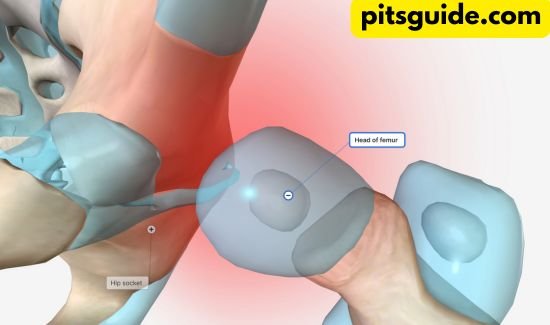
Hip dysplasia is when the hip joint doesn’t fit right. This genetic problem causes pain and can lead to arthritis. It’s common in big dogs like Great Danes and German Shepherds.
Symptoms can start early, but often show up later. This is because the bones take time to wear down.
https://youtube.com/watch?v=z5VBLUj5NNw
How Hip Dysplasia Affects Pit bulls
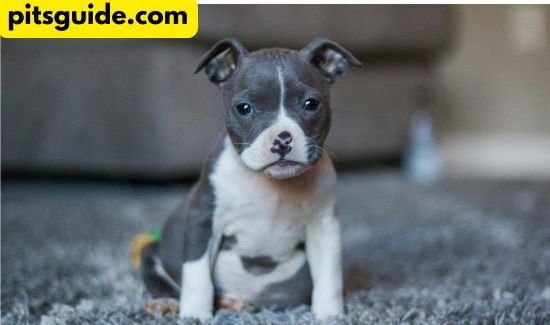
Pitbull are often hit by hip dysplasia. It makes their hips hurt and can make them limp. Being overweight makes it worse.
Keeping a Pitbull at a healthy weight helps their joints. This can prevent hip dysplasia.
Causes of Hip Dysplasia in Pit bulls
Several things can cause hip dysplasia in Pitbull:
- Genetics: Some Pitbull are more likely to get it because of their genes.
- Nutrition: The right food can help. Big-breed puppy food can lower the risk by 20-30%.
- Obesity: Too much weight hurts the joints. Overweight puppies are more likely to get hip dysplasia.
- Environment: The floor and how active a dog is can also play a part. Soft floors and gentle play help.
| Cause | Impact on Hip Dysplasia |
| Genetics | High prevalence in specific lines |
| Nutrition | Risk reduction by 20-30% with proper diet |
| Obesity | Doubles the likelihood of developing hip dysplasia |
| Environment | Influences joint health through activity and surfaces |
Identifying Symptoms of Hip Dysplasia in Pit bulls
Knowing the signs of hip dysplasia early can help a lot. It makes treatment work better. Spotting these signs early can stop the problem from getting worse.
Early Signs to Watch
Spotting hip dysplasia early is key. The first signs might be small but are very important. Watch for:
- Lethargy: Your Pit bull might be very tired and not want to move.
- Difficulty with movement: They might have trouble getting up, running, or climbing stairs.
- Unusual gait: They might move their hind legs together, like a “bunny hop.”
Advanced Symptoms and Complications
As hip dysplasia gets worse, the symptoms get more serious. They can really hurt your Pit bull’s quality of life. Look out for:
- Hind end lameness: They might have a noticeable limp in their hind legs.
- Muscle atrophy: They might lose muscle in their thighs because they’re not moving as much.
- Stiffness and pain: They might have trouble moving and won’t want to be touched on their hind end.
Knowing when these symptoms start and get worse can help you get the right help. It may also aid in averting more issues.
| Symptom | Early Signs | Advanced Signs |
| Lethargy | Present: Mild | Present: Severe |
| Movement Issues | Difficulty getting up, running, jumping | Significant stiffness and reluctance for movement |
| Hind End Lameness | Often not apparent | Noticeable and progressive |
| Muscle Atrophy | Minimal or none | Severe, specially in the thighs |
Diagnosis of Hip Dysplasia in Pit bulls
It’s very important to find out if a pit bull has hip dysplasia. This helps make their life better. To do this, we need to check them carefully and use special tools.
Veterinary Examination
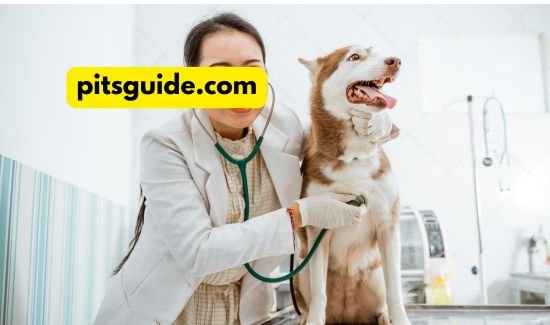
The first thing to do is a vet check. Your vet will:
- Watch how the dog moves.
- Look at the hips for pain or stiffness.
- Check how well the joints move and the muscles are strong.
Finding hip dysplasia early is key. Pit bulls often get this problem. Thus, they must visit the veterinarian frequently..
Diagnostic Imaging Techniques
After the vet check, we use special pictures to see if the dog has hip dysplasia. These pictures are:
- X-rays: Show the hip joints clearly, spotting problems.
- CT Scans: Give a detailed look at the hip, for tricky cases.
- MRI: Check the soft parts around the hip, for swelling or other issues.
Getting these pictures early helps make a good plan to help the dog. Surgery for hip dysplasia costs about $1,700. This shows why we need to act fast.
| Diagnostic Tool | Purpose | Considerations |
| X-rays | Identify bone structure abnormalities | Essential for initial diagnosis |
| CT Scans | In-depth views of bone and joints | Useful in complex cases |
| MRI | Inspect soft tissues | Identify inflammation and related issues |
Treatment Options for Hip Dysplasia
There are many ways to treat hip dysplasia in Pit bulls. These include medicine, surgery, and natural methods. Each has its own good points, bad points, and costs. Knowing about these helps pet owners choose the best for their dogs.
Medical Treatments
Medical treatments help with pain and make joints work better. Nonsteroidal anti-inflammatory drugs (NSAIDs) are often used. These include:
- Carprofen
- Meloxicam
- Firocoxib
- Deracoxib
- Grapiprant
Gabapentin is also used for pain. Studies show adding amantadine to NSAIDs helps dogs move more. It’s important to check blood often when using NSAIDs.
Surgical Options
Surgery is a bigger step but has risks, mainly for older dogs. The main surgeries are:
- Total Hip Replacement (THR)
- Femoral Head Ostectomy (FHO)
- Double or Triple Pelvic Osteotomy (DPO/TPO)
Surgery costs start at about $1,700. It’s usually chosen if other treatments don’t work or if the dog is young and healthy.
Holistic and Alternative Therapies
Less invasive treatments can be very effective. They include:
- Hydrotherapy
- Massage therapy
- Acupuncture
- Supplements
About 75% of dogs with hip dysplasia and arthritis can live well with these treatments alone.
Choosing the right treatment depends on many things. These include how bad the condition is, the dog’s age, and any other health problems. Talk to your vet to find the best treatment for your Pit bull.
| Treatment | Type | Pros | Cons |
| NSAIDs | Medical | Effective pain relief | Potential side effects, requires regular bloodwork |
| Gabapentin | Medical | Effective for chronic pain | May cause sedation |
| Total Hip Replacement | Surgical | Permanent solution | High cost, surgical risks |
| Hydrotherapy | Holistic | Non-invasive, improves mobility | May require frequent sessions |
Preventing Hip Dysplasia in Pit bulls
To stop hip dysplasia in pit bulls, we must know what causes it. We need to feed them right, exercise them well, and choose good breeders. This keeps them healthy and moving freely.
Diet and Nutrition
Good food is key for your pit bull’s joints. Bad food in puppyhood can lead to hip dysplasia. Here’s how to avoid it:
- Give them a balanced diet with all the right nutrients. Stay away from junk food.
- Keep them at a healthy weight to ease joint stress.
- Use glucosamine and chondroitin to help their joints.
Exercise and Joint Health
Exercise is also very important. But, it must be the right kind:
- Do low-impact activities like swimming and walking on a leash. This strengthens muscles gently.
- Stay away from jumping and rough play. It can hurt their joints.
- Regular, gentle exercise helps keep them healthy and strong.
Genetic Screening and Breeding Practices
Genetics play a big role in hip dysplasia in big dogs like pit bulls. So, it’s vital to breed responsibly:
- Make sure both parents are checked for hip dysplasia before breeding.
- Choose breeders who test for health and have healthy puppies.
- Get your dog from a good breeder to help the breed stay healthy.
By paying attention to diet, exercise, and genetics, you can lower the risk of hip dysplasia. This makes your pit bull’s life happier and healthier.
Conclusion
Hip dysplasia is a big problem for pit bulls. It makes their hip joints not work right. This can cause a lot of pain and make it hard for them to move.
It often affects both hips and can start as early as 4 months old. Signs include less activity, trouble with the hind legs, and a funny ‘bunny hop’ way of walking. Finding it early and treating it fast can really help.
There are many ways to treat it, like medicine or surgery. This can make a big difference for dogs with this problem.
Knowing about genetics, diet, exercise, and early checks is key. It helps prevent and manage hip dysplasia. For young dogs, special surgeries can help a lot.
Choosing the right treatment depends on when you find out about it. Early treatment is usually better.
Hip dysplasia can be managed with the right care and treatment. Watching for signs early and using different treatments can help a lot. With the right knowledge, you can make sure your pit bull stays healthy and active.
FAQ
What are the early signs of hip dysplasia in Pit Bulls?
Early signs include limping and not wanting to exercise. Your dog might also have trouble standing up. Look for a noticeable hip sway too.
What causes hip dysplasia in Pit Bulls?
It’s mainly due to genetics and bad habits. Things like growing too fast, too much exercise, and bad food can cause it. Try to avoid these to lower the risk.
How is hip dysplasia diagnosed in Pit Bulls?
Vets use X-rays or CT scans to check the hips. This helps them see if there’s a problem.
What medical treatments are available for hip dysplasia in Pit Bulls?
Treatments include medicines for pain and swelling. There are also special foods and exercises to help.
What surgical options are available for treating hip dysplasia in Pit Bulls?
Surgery options include cutting the femur head (FHO) and replacing the hip (THR). The best choice depends on the dog’s health and the problem’s severity.
Are there holistic and alternative therapies for hip dysplasia in Pit Bulls?
Yes, there are. Options include acupuncture, chiropractic care, and special baths. These can help with pain and movement.
How can I prevent hip dysplasia in my Pit Bull?
Feed a balanced diet and keep your dog at a healthy weight. Don’t over-exercise them. If needed, get genetic tests and choose responsible breeding.