Table of Contents
- Introduction
- Key Takeaways
- Differentiating Normal vs. Problematic Behavior
- Importance of Mental Stimulation
- Positive Reinforcement for Quick Results
- Understanding Common Dog Annoyances
- Identifying Behavioral Issues
- Distinguishing Between Normal and Problematic Behaviors
- Effective Pet Training Tips for Quick Results
- Using Positive Reinforcement Methods
- Clicker Training for Immediate Feedback
- Behavior Modification Strategies to Apply
- Replacing Unwanted Behaviors with Desired Actions
- Managing the Environment to Prevent Triggers
- Leash Training Strategies for Better Control
- Implementing Loose Leash Walking Techniques
- Reward-Based Training to Reduce Pulling
- Conclusion
- Importance of Consistency in Training
- Benefits of Early Socialization
- Seeking Professional Guidance When Needed
- FAQ
- Common Annoying Dog Behaviors
- How to Stop Excessive Barking
- Best Methods for Leash Training
- Effectiveness of Positive Reinforcement
- When to Consult a Veterinarian
- Managing the Dog’s Environment for Better Behavior
How Do I Train My Dog to Be Less Annoying Quickly.
Ever think your dog’s annoying ways might be from not enough training? Many pet owners think just playing with their dog will stop them from being too active. But, it’s not always that simple.
Some behaviors, like too much barking or running around, might mean your dog is bored or scared. This article will share important tips and techniques for training your dog. By using positive methods, you can make big changes in your dog’s behavior.
Let’s look into why these annoying behaviors happen. And how regular training can turn your dog into a well-behaved friend.
Key Takeaways
- Understanding the distinction between normal and problematic dog behavior is key.
- Exercise alone may not cut down on hyperactivity; think about mental games too.
- Positive reinforcement training can greatly improve dog behavior quickly.
- Keeping routines and commands steady helps dogs feel safe.
- Teaching a dog to relax is key for managing their energy.
Understanding Common Dog Annoyances
Dog behavior training helps solve many daily problems for pet owners. Issues like too much barking, jumping on guests, or begging for food can be fixed. Knowing why these problems happen is key before starting training.
Identifying Behavioral Issues
Many dog annoyances come from not understanding dog behavior. Problems can be caused by the environment, anxiety, or not enough training. The following are typical indicators to look out for:
- Excessive barking, seen in 40% of dogs, might mean they’re bored or uncomfortable.
- About 90% of owners see dogs jump on new guests.
- Begging for food is common, showing a need for clear rules during training.
- Destructive chewing, found in 25% of dogs, often comes from too much energy or not enough mental games.
Distinguishing Between Normal and Problematic Behaviors
Telling normal dog actions from bad ones is vital for training. For instance, barking is natural but can be a problem if it doesn’t stop. Signs of stress, like tucked tails or lip licking, might mean there’s an issue.
It’s important to talk to a vet to make sure new behaviors aren’t health problems. Knowing how dogs read body language helps figure out if they’re bored or stressed. Dogs are more sensitive to loud voices than people are.
https://youtube.com/watch?v=d5rKWij8jZo
Good training and management can solve many dog problems. Sticking to a routine helps reduce anxiety and improves training. The goal is to create a happy environment for dogs and their owners.
Effective Pet Training Tips for Quick Results
Training your pet is key to better behavior. Using positive methods helps you bond with your dog. It’s all about rewarding good actions.
For example, teaching your dog to sit instead of jump is easy. It shows how simple positive training can be.
Using Positive Reinforcement Methods
Vets say positive training is best for dogs. It makes learning fun and stress-free. Small rewards help dogs learn more.
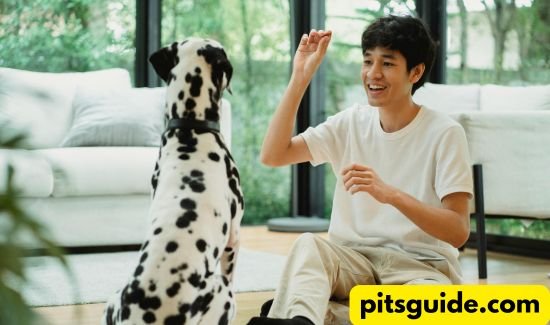
Training should be part of your daily life. Ask your dog to sit before meals or play. This helps them learn faster.
Clicker Training Techniques for Immediate Feedback
Clicker training is great for pets. It lets you give instant feedback. This helps dogs know what they did right.
Some dogs like hand signals better than words. Using both can make training clearer. To keep your dog interested, keep training brief.
Behavior Modification Strategies to Apply
Using good behavior modification strategies can change bad dog behaviors into good ones. This means teaching dogs to do things we like instead of things we don’t. It’s all about training and making the environment better for them.
Replacing Unwanted Behaviors with Desired Actions
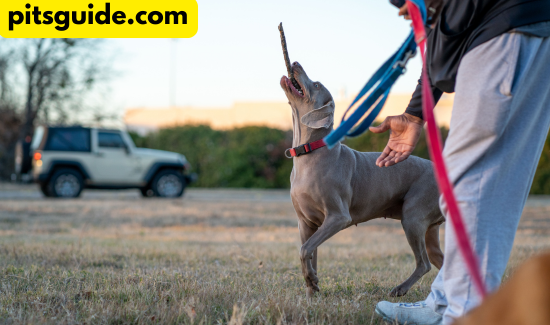
Training dogs often means teaching them to do something else instead of the bad behavior. For example, teach them to sit instead of bark. Using treats and praise helps them learn and do it again.
Shaping and counterconditioning are ways to help dogs learn. They make it easier to teach them what we want.
Managing the Environment to Prevent Triggering Behaviors
Changing the environment is key in behavior modification. A calm space with less noise helps dogs behave better. For instance, if a dog barks at people outside, closing the curtains helps.
Knowing how dogs show their feelings is important. It helps us know when they need a break and take action.
| Technique | Description | Benefit |
| Positive Reinforcement | Rewarding desired behaviors consistently | Increases likelihood of behavior repetition |
| Shaping | Gradually rewarding approximations of desired action | Teaches complex commands effectively |
| Counterconditioning | Reinforcing positive behaviors while introducing unwanted stimuli | Reduces negative responses through positive association |
| Environmental Management | Controlling surroundings to limit triggers | Proactively curbs unwanted behaviors |
Leash Training Strategies for Better Control
Using good leash training can make walks better for dogs and their owners. Problems like pulling and getting distracted can make walks hard. Knowing how to train your dog on a leash is very important.
Implementing Loose Leash Walking Techniques
Teaching your dog to walk without pulling is key. Stop right away if they pull. You might need to stop a lot at first, but it will get better.
Letting your dog sniff after walking 10 feet without pulling is a great reward. Walking at your dog’s pace can also help them not pull as much.
Reward-Based Training to Reduce Pulling
Training with rewards is a great way to stop pulling. Dogs like to do things that get them treats. Short, fun training sessions are best, even for puppies.
Playing games or using special cues can keep your dog focused. Always be consistent to avoid undoing your training. Staying calm and using the Fingerlike can help you control the leash better.
Conclusion
Learning how to train your pet well is very important. It makes your dog behave better and strengthens your bond. Using positive methods and being consistent helps a lot.
Studies show that these methods can make your dog 70% more obedient. They also improve learning by 30%. It’s vital to train your dog in a way that fits their needs and how they communicate.
Starting to socialize your dog early is also key. It helps them feel less scared in new places. Regular vet visits can spot problems early, making your home happier for both you and your dog.
You can get help from professionals or use online tips to improve your training. Training should be fun and rewarding for you and your pet.
Putting time and effort into training your puppy will make them happier and better adjusted. It will also make your home a nicer place. Enjoy the training journey and you’ll have a loyal friend who loves their home.
FAQ
What are some common annoying behaviors in dogs?
Dogs can be annoying when they bark too much, jump on people, or beg for food. Knowing why they do these things helps fix the problem.
How can I train my dog to stop barking excessively?
First, find out what makes them bark so much. Then, teach them to be quiet instead. Use treats and praise to reward them for being quiet.
What is the best method for leash training my dog?
Use loose leash walking to train your dog. Stop moving when they pull and give them treats when they walk beside you. Be patient and keep practicing.
How does positive reinforcement work in dog training?
Positive reinforcement means giving treats or praise for good behavior. This makes your dog want to do it again, which helps in training.
Is clicker training effective for dogs?
Yes, clicker training works well. It gives your dog instant feedback for good actions. This helps them learn faster and more clearly.
When should I consult a veterinarian regarding my dog’s behavior?
See a vet if your dog starts acting differently. It could mean they’re sick. Also, watch for signs of stress or pain in their body language.
What are some strategies for managing my dog’s environment?
To manage your dog’s environment, keep curtains closed to stop them from barking at people. Also, don’t let them get food when you’re eating. These steps can help a lot.
How important is consistency in dog training?
Being consistent is very important. It enables your dog to comprehend your desires. This makes training more effective.
Can I train my dog to replace unwanted behaviors with desired ones?
Yes, you can teach your dog new behaviors. For example, teach them to sit instead of jumping. This shows them what you want them to do.
What are some effective pet training techniques for puppies?
For puppies, use positive reinforcement and clicker training. Also, teach them to go putty outside and be consistent. This will help them learn fast.